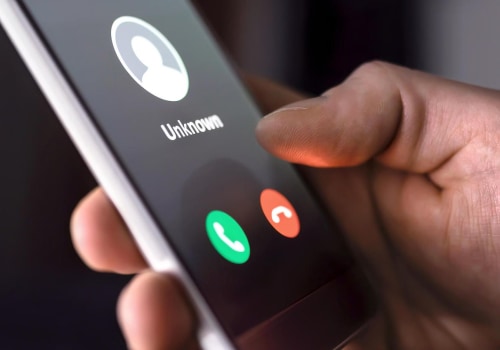
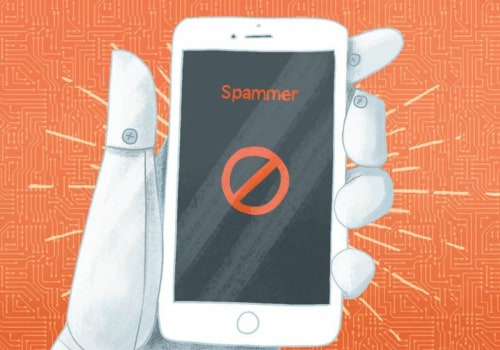
A person or business may discover that outgoing calls appear as spam on recipients' telephones.
This can be confusing, particularly when the calls are legitimate and the caller has no intention of deceiving anyone.
Spam classifications can result from calling patterns, customer complaints, inaccurate information, or another person spoofing the number.
There is no universal method that guarantees immediate removal of every warning.
However, the number owner may be able to request a classification review from the relevant telephone provider or screening service.
Why legitimate numbers receive spam labels
Spam classification systems use predictions based on available information.
They do not directly observe the caller's intentions or independently determine whether every communication is lawful.
A legitimate business may receive a warning when its calling patterns resemble those of unwanted marketing operations.
High-volume calling can cause misclassification
Some companies regularly call customers to confirm appointments, provide service updates, or respond to requests.
A large volume of outbound calls may trigger additional scrutiny.
Even when these communications are lawful, the number may be associated with unwanted calling patterns.
The situation can become more complicated when recipients mistakenly report legitimate calls as spam.
The effect of telephone number reassignment
Telephone numbers are sometimes reassigned to new subscribers.
A number previously associated with unwanted calling may retain a negative reputation for a period.
The new owner may have no connection to earlier activity.
This makes accurate number registration and updated screening data important.
What if someone is spoofing your telephone number?
Caller ID spoofing allows another caller to display a number that belongs to someone else.
A fraudulent operation may use an innocent subscriber's number to contact strangers.
Those recipients may report the number as suspicious.
How to recognize possible spoofing
One sign is receiving unexpected callbacks from people who say you contacted them.
Another is an increase in complaints about calls you never made.
These signs do not conclusively establish spoofing, but they justify further investigation.
Contacting the telephone provider may help determine what assistance is available.
Did you know? Spam warnings may be applied by more than one system
A telephone carrier may use its own screening processes or information supplied by an outside analytics provider.
The recipient's device or screening application may introduce additional classifications.
As a result, correcting a warning with one provider may not immediately change what every recipient sees.
Different systems may have different review procedures.
How to request a spam label correction
Begin by documenting the problem.
Record which warning appears, the affected number, and examples of legitimate calls receiving the label.
Then contact the relevant telephone service provider to request a review.
A business may also be able to register its calling numbers with participating caller reputation services.
What information may support a correction?
A business can provide its registered name, legitimate contact information, and explanation of the number's intended use.
It may also be useful to document that customers requested the communications.
A request for review does not guarantee removal.
Call classification may change as new information becomes available.
How to prevent future labeling problems
Legitimate callers should maintain accurate business identification and respect consumer calling preferences.
Avoid misleading caller ID information.
Use consistent, authorized telephone numbers where practical.
Respond to valid requests not to receive further marketing calls.
These practices may reduce complaints, although they cannot guarantee a particular risk classification.
Common questions around incorrect spam labels
Can my own number be flagged as spam?
Yes. Legitimate individuals and businesses can receive incorrect classifications.
Does a spam label mean my number was used for fraud?
Not necessarily. Other calling patterns or mistaken reports may explain the label.
Can spoofing damage my number's reputation?
Potentially. Reports involving spoofed communications may become associated with the displayed number.
Can I request removal of a spam warning?
Many providers or screening services offer feedback or review channels.
Will correcting the label with one provider fix every telephone?
Not necessarily. Different networks and applications may classify numbers independently.